B2B, DTC, POS — one Shopify store. No sync layer.
Stop running parallel storefronts for wholesale, retail, and DTC. Shopify Plus + native B2B + Shopify POS + integrations let you operate every channel from one catalog, one customer record, and one inventory pool — without the multi-platform sync tax that makes inventory lie and customers fragment.
Why running separate stores is breaking your operation.
Inventory lies to you.
Wholesale on one platform, DTC on another, POS in a third. Inventory syncs manually (or on a schedule, or never). Customer service eats the oversells, and the warehouse runs blind on what's actually committed.
The customer has three identities.
Retail loyalty doesn't credit DTC orders. Wholesale buyers can't see DTC pricing. Klaviyo segments don't know which channel a person actually shops, so every flow either misses them or shouts at them.
The brand drifts across storefronts.
Three carts, three checkouts, three slightly different versions of the homepage. Every team that maintains a separate store ships a slightly different brand — and the next rebuild has to reconcile all of them.
Everything in one Shopify store.
Wholesale + retail + DTC unified — 28+ deliverables, all in the same admin.B2B + DTC catalog, one Shopify.
Native Shopify B2B price lists, company profiles, net terms, customer-specific pricing — running on the same product catalog as your DTC store. No second backend, no sync layer, no reconciliation.
One customer record across channels.
DTC orders, wholesale POs, and POS purchases roll into one Shopify customer profile. Klaviyo, loyalty, and CX all read from the same record.
Inventory pooled, not synced.
Shopify POS + Plus + B2B share one inventory truth across locations. Sell from any channel; the others know in real time. Stocky handles receiving + transfers natively.
Migration from Woo / WP / BigCommerce.
WooCommerce, WordPress storefronts, BigCommerce, Magento — full SKU, customer, and order history migrated, with 301 redirect maps and SEO continuity engineered up-front.
ERP integration (NetSuite, etc.)
NetSuite, Salesforce, Brightpearl, Cin7, Acumatica — bidirectional sync. Shopify owns the storefront; the ERP owns the GL.
3PL implementation + routing
ShipBob, ShipHero, ShipMonk, Flexport — fulfillment partner setup, allocation rules by SKU/region, returns automation, and the dashboards that let you see it.
Shopify POS + retail flow
iPad/Stocky setup, hardware, BOPIS, ship-from-store, omnichannel returns.
Markets: cross-border + tax
Multi-currency, automated VAT/duty, country-specific pricing via Shopify Markets.
Custom theme, one brand
Same Shopify Plus theme rendering DTC, B2B portal, and account dashboards.
Reporting + attribution
GA4, Triple Whale, and Shopify reports wired to all channels in one dashboard.
Four phases, built for the work.
Start a BlueprintAudit the channel architecture you're running today.
- Map B2B, DTC, POS, ERP, and 3PL as currently operated
- Identify duplicate data + sync points + integration debt
- Quantify oversell + ops cost of fragmentation
- 90-day unification roadmap + financial case
Design the unified data model.
- Catalog architecture (price lists, variants, B2B vs DTC)
- Customer + company profile schema
- Inventory + location + 3PL fulfillment plan
- ERP bridge spec + migration plan from legacy systems
One Shopify store, all channels live.
- Plus theme + B2B portal on the same theme
- Shopify POS hardware + retail config
- ERP middleware (NetSuite / Brightpearl / Cin7) + Klaviyo
- 3PL routing + fulfillment automation (ShipBob / ShipHero)
- Migration from Woo / WP / BigCommerce / Magento with SEO continuity
Run every channel from one admin.
- Plus partner support tier
- Quarterly architecture + channel-mix review
- Ongoing CRO + lifecycle across all channels
- New-channel rollout (Shop, TikTok, retail expansion)
Built with platforms we bet our work on.
B2B, DTC, POS, ERP, 3PL — one Shopify, no sync layer. Shopify Plus + B2B + POS PartnerHow an engagement actually works.
Shopify Blueprint
- Channel architecture audit
- Data + sync point analysis
- 90-day unification roadmap
- ROI model on consolidation savings
- 100% credited toward implementation
Unified build
- Custom Shopify Plus theme (DTC + B2B portal)
- Native B2B: price lists, company profiles, net terms
- Shopify POS hardware + retail rollout
- One customer record across channels (Klaviyo, loyalty, CX)
- Inventory pooling + Stocky receiving flow
- ERP bridge (NetSuite, Brightpearl, Cin7) via Celigo/Boomi
- 3PL implementation (ShipBob, ShipHero, ShipMonk, Flexport)
- Markets: cross-border, multi-currency, tax + duty
- Migration from Woo / WP / BigCommerce / Magento + SEO continuity
Post-Launch Support
- Plus partner support tier
- Quarterly channel-mix optimization
- Cross-channel CRO + lifecycle sprints
- New-channel rollouts (Shop, TikTok, retail)
- Ongoing ERP / integration upkeep
Things people ask before they sign.
We're on WooCommerce / WordPress / BigCommerce / Magento. How does the migration work?+
It’s our most common starting state. We migrate the full data set — products, variants, customers, order history, content, blog, redirects — into Shopify with continuity built in. SEO is the part most agencies underestimate: we map every legacy URL to its Shopify equivalent, ship 301 redirects in bulk, preserve schema, and watch traffic in Search Console for the first 90 days post-launch. We’ve migrated stores up to 250K SKUs without traffic loss. WordPress + WooCommerce migrations also include moving the editorial side (blog, lookbook, content models) into a Shopify-native or Pantheon-hosted setup, depending on how content-heavy you are.
We have a separate B2B store on Faire / NuOrder / Brandwise / Magento B2B. Do we have to migrate that too?+
Strongly recommended. Native Shopify B2B is the whole point — it eliminates the data-sync tax that comes with running a separate wholesale platform. We migrate wholesale catalogs, company profiles, price lists, net-terms history, and approved-buyer lists with full continuity. The wholesale buyers keep their logins; the order history follows them.
How does ERP integration work? We use NetSuite / Brightpearl / Cin7 / Acumatica.+
Shopify becomes the source of truth for the customer, order, product, and inventory layer. Your ERP stays the source of truth for accounting, P&L, and procurement. We engineer a bidirectional bridge — usually via Celigo, Boomi, or custom middleware where the use case warrants — so orders + customers flow ERP-ward in real time, and inventory + product master data flows back. The ERP doesn’t go away; it stops trying to be a storefront.
What does 3PL implementation include?+
Connecting your fulfillment partner (ShipBob, ShipHero, ShipMonk, Flexport, or self-hosted WMS) directly to the Shopify order layer. We build the routing rules — by SKU, by location, by carrier, by service level — set up returns automation through Loop or AfterShip, wire reverse logistics back to inventory, and stand up the dashboards your ops team actually checks. If you’re running multiple 3PLs across regions, we engineer the allocation logic so an order routes to the right warehouse without manual intervention.
Does this include Shopify POS hardware and retail setup?+
Yes. We spec the iPad / Stocky / receipt printer / hardware bundle, install at your retail locations, train your in-store team, and configure omnichannel flows like BOPIS, ship-from-store, and unified returns. POS hardware is invoiced separately from the engagement.
Will our wholesale buyers get a different experience from DTC?+
Yes — they get a wholesale portal with different login, different pricing, different checkout (POs, net terms, company profiles), and order forms that work for bulk reordering. But it’s running on the same store, the same theme, and the same customer record as DTC. One brand, two interfaces, one backend.
How does loyalty work across channels?+
One loyalty program, one customer record. A purchase in-store credits the same account as a purchase on DTC, which credits the same account as a B2B reorder. We build this on Smile, Yotpo Loyalty, or LoyaltyLion depending on the program design — all of them integrate with Shopify’s unified customer record natively.
What's the engagement length?+
14–20 weeks for the build, depending on B2B + POS + ERP + 3PL complexity. A standard DTC + native B2B + simple 3PL lands at the short end. NetSuite or Brightpearl with bidirectional sync, multi-3PL allocation, and a heavy migration from Woo or Magento pushes toward 20 weeks. Most clients move into our operations retainer afterward to keep optimizing.
One Shopify. Every channel you sell on. No sync layer.
If you're stitching together a separate B2B portal, a parallel POS system, and a DTC store — and the inventory's lying to you — this is the rebuild. The future of commerce is unified, and the migration tax pays itself back in the operations savings.
Recent unified commerce case studies.
See all work
Brand Support + Lifecycle & CRO · +38% Conversion rate
Dermaplane Pro
Read case study
Brand Support + Shopify Plus · +155.5% Add to carts
Sorella Apothecary
Read case study
Brand Identity + Brand Strategy · +63% B2B order conversion
Pure Ground Ingredients
Read case study
Brand Identity + Brand Strategy · +187% D2C revenue, year-1
Happy Mushroom Co.
Read case study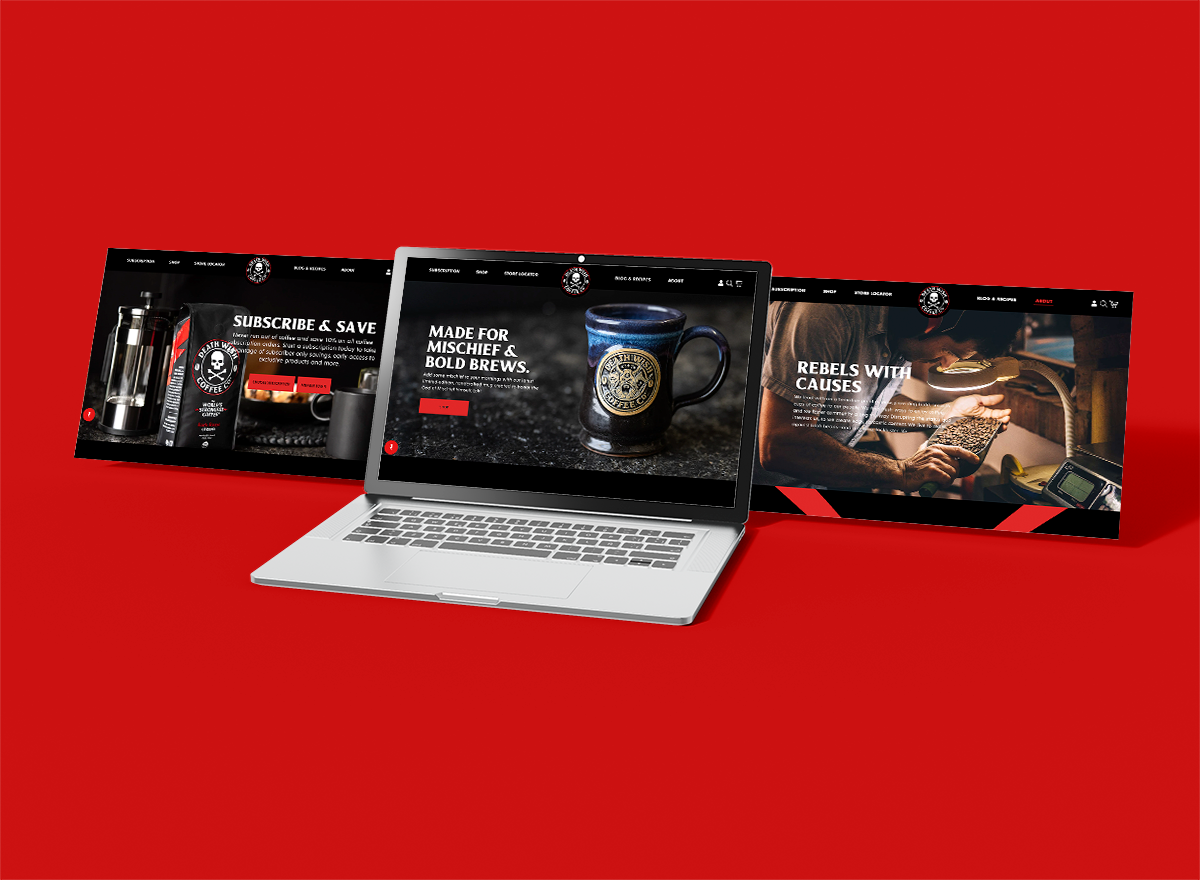
Lifecycle & CRO + Shopify Plus · 99.1% Errors eliminated
Death Wish Coffee
Read case study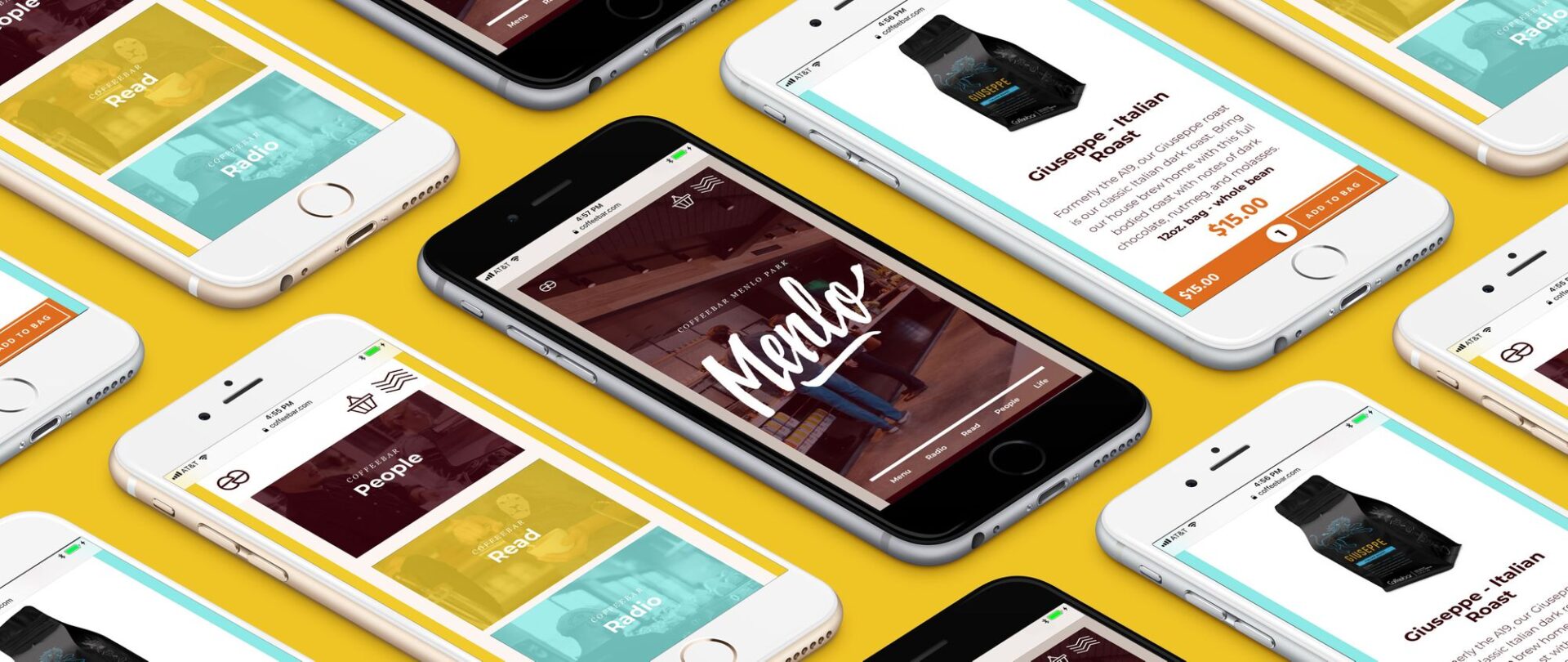
Brand Support + Shopify Plus · 2017 Shopify Commerce Award winner